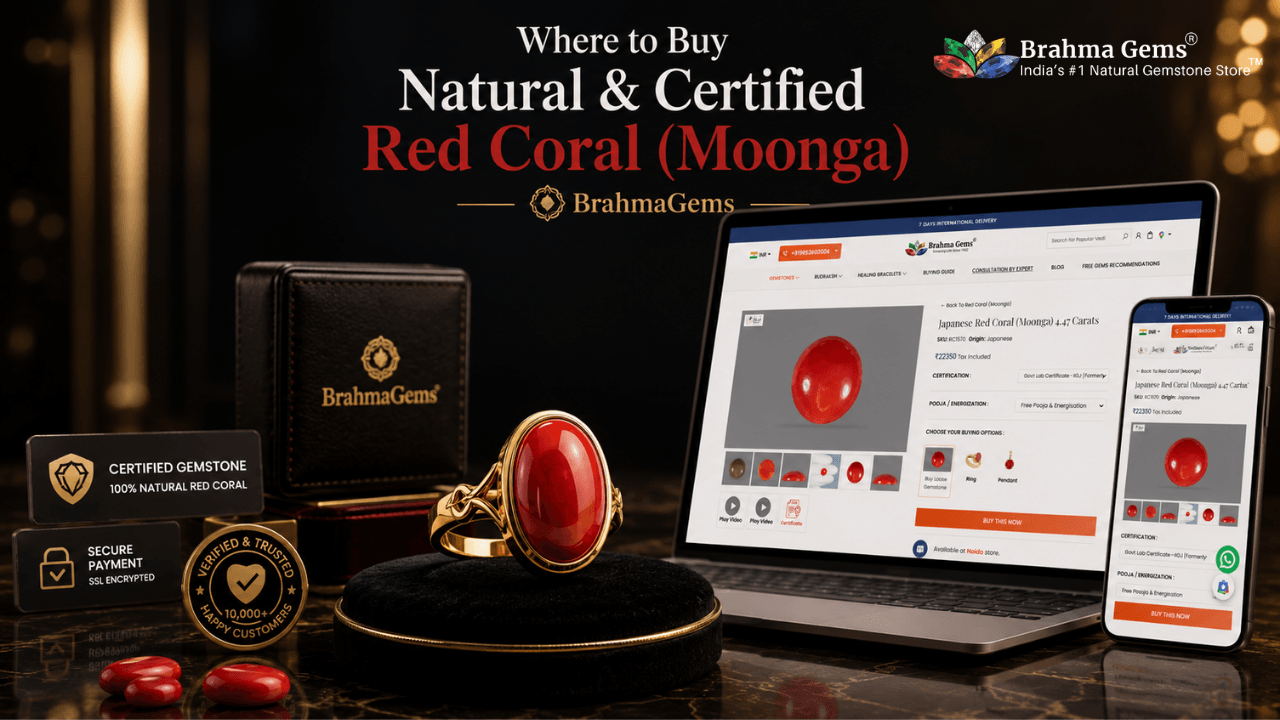
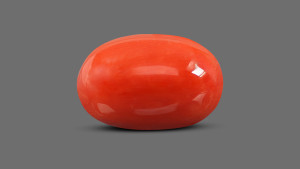
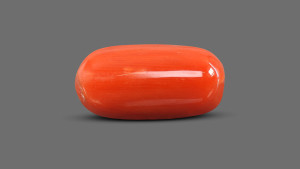
In the world of Vedic astrology, the red coral stone is more than just a piece of organic jewelry,it is the literal battery pack for Mars (Mangal). But here’s the cold truth: the market is flooded with plastic, dyed bone, and glass masquerading as natural red coral. If you are looking for where to buy natural and certified red coral (Moonga), you aren't just looking for a shop; you are looking for a legacy of trust and scientific verification.
The Moonga Dilemma: Why 'Original' is Non-Negotiable
When an astrologer recommends a certified moonga stone, they aren't suggesting a fashion accessory. They are suggesting a remedial tool to harness planetary energy. Wearing a fake is like trying to jump-start a car with a piece of red cardboard; it simply won't work, and in some cases, the chemicals in synthetic stones can cause skin irritations.
The search for an original coral stone usually leads people to local jewelers or random marketplaces. However, the modern Indian buyer is now moving toward the digital space. The ability to buy red coral stone online has opened doors to premium inventory, but it has also invited sophisticated scammers. This is why "Source Verification" is your first line of defense.
Red Coral (moonga)gemstone Buying Guide | Real vs Fake & Italian vs Japanese
Understanding the Munga Ratna Price: Why is there a Gap?
One of the most common questions we get is, "Why is one stone ₹400 per carat and another ₹4,000?"
The munga ratna price is dictated by four main factors:
- Origin: Italian Red Coral is generally considered the gold standard for astrological purposes due to its color and texture.
- Color: A deep, ox-blood red is highly coveted, though "Sindoor" (vermillion) red is also popular.
- Shape: Triangular Moonga (often called Lakshmi Moonga) usually carries a premium due to its specific astrological significance.
- Clarity: Since it’s an organic gemstone, some surface pits are natural, but a smooth, spot-free natural red coral will always command a higher price.
When you see an original moonga stone price that seems "too good to be true," it usually is. Real Moonga takes years to form in the deep sea; it isn't manufactured in a factory overnight.
The Brahma Gems Advantage: Why We Are the Trusted Source
At Brahma Gems, we’ve spent years decoding the "trust deficit" in the Indian gemstone industry. We don't just sell stones; we provide a "Certificate of Authenticity" from government-approved and international labs (like IGI, GIA, or GTL).
When you buy red coral stone online from us, you aren't just getting a package. You are getting a certified red coral stone that has been scanned for "Dye-Treatment" or "surface coating," two of the most common tricks used to make cheap coral look premium. Our "Experience-First" approach means every stone is hand-picked, ensuring that the original coral stone you receive is potent enough to deliver the results you seek.
Can We Wear Red Coral and Yellow Sapphire Together? Brahma Gems
How to Verify Your Red Coral at Home (The Expert’s "Jugaad")
While a lab certificate is the only 100% way, here is a quick scenario from our consultation files: A client once brought in a Moonga he bought from a street vendor. We put it in a glass of milk. If the milk remains white, the stone is likely fake or plastic. If the milk starts showing a faint reddish tinge (due to the reflection of a high-quality natural stone), you’re on the right track.
However, we always tell our clients: Don't gamble with your destiny. A certified moonga stone is a one-time investment for a lifetime of Mangal-shakti.
Buying Guide: 3 Steps to Buy Red Coral Stone Online Safely
- Demand a Lab Report: Not just a "laminated card" from the shop itself, but a report from a third-party, reputable laboratory.
- Check for "Treatments": Ensure the report explicitly states "No indications of dyeing or wax filling."
- Compare the original moonga stone price: Use a baseline. If the price is significantly lower than the market average for an Italian Moonga, walk away.
Frequently Asked Questions (FAQs)
Q1: How can I tell if my Red Coral is real?
A: A natural red coral will have a smooth, porcelain-like luster. Under a magnifying glass, you might see small "growth marks" or pits. If the stone looks perfectly flawless and "plastic-y," it’s a red flag. Always insist on a certified red coral stone to be sure.
Q2: What is the best day to wear Moonga?
A: Typically, it is worn on a Tuesday morning during the Shukla Paksha (waxing moon) on the ring finger of the working hand.
Q3: Does the munga ratna price change based on weight?
A: Yes, gemstones are sold by the 'Ratti' or 'Carat'. As the weight increases, the price per carat often increases because larger, high-quality original coral stones are rarer to find in nature.
Q4: Can I buy red coral stone online without seeing it first?

A: Yes, provided the seller offers high-definition 360-degree videos and a transparent return policy. At Brahma Gems, we provide actual photos of the specific natural red coral you will receive, not just "stock images."
 +919953660004
 +18886144437
 +44
8081965700
+44
8081965700